Modern GA Interior


People who have only seen small aircraft from a distance often imagine them as something luxurious — exclusive toys for adults. And it is no coincidence: they are very expensive. However, those who are accustomed to dealing with this type of equipment know another side of reality very well. For various reasons, aesthetics and convenience rarely penetrate the world of general aviation. Nevertheless, the demand for these qualities is stable. The set of expectations from a dream aircraft has long been formed and is clear: beauty, safety, comfort, and efficiency.
The development team includes highly qualified aviation specialists with extensive experience in creating new aircraft and operating existing ones. Professional training and decades of accumulated knowledge made it possible, step by step, to form a coherent and mature project.




Work on the aircraft has been underway since 2021. During this time, various units and assemblies were developed, manufactured, and tested. A metal prototype was built and tested, leading to several fundamental decisions: abandoning an aluminum fuselage in favor of carbon fiber and, conversely, abandoning a composite wing in favor of aluminum, as well as eliminating the archaic wing strut configuration. For the landing gear, virtually indestructible spring-steel main struts and a trailing-link shock-absorbing nose gear were selected. As an additional level of safety, a ballistic parachute recovery system is integrated into the design.
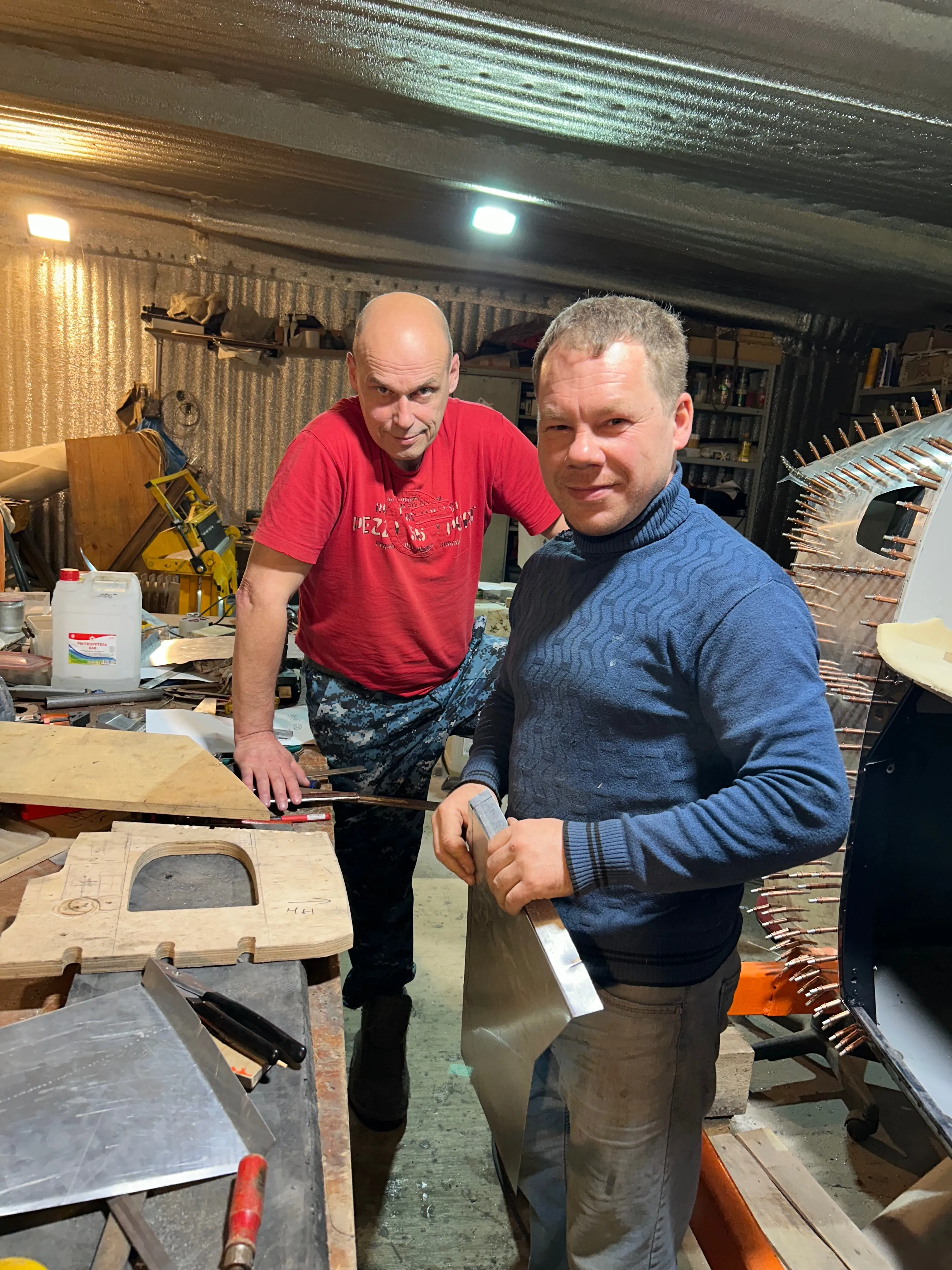
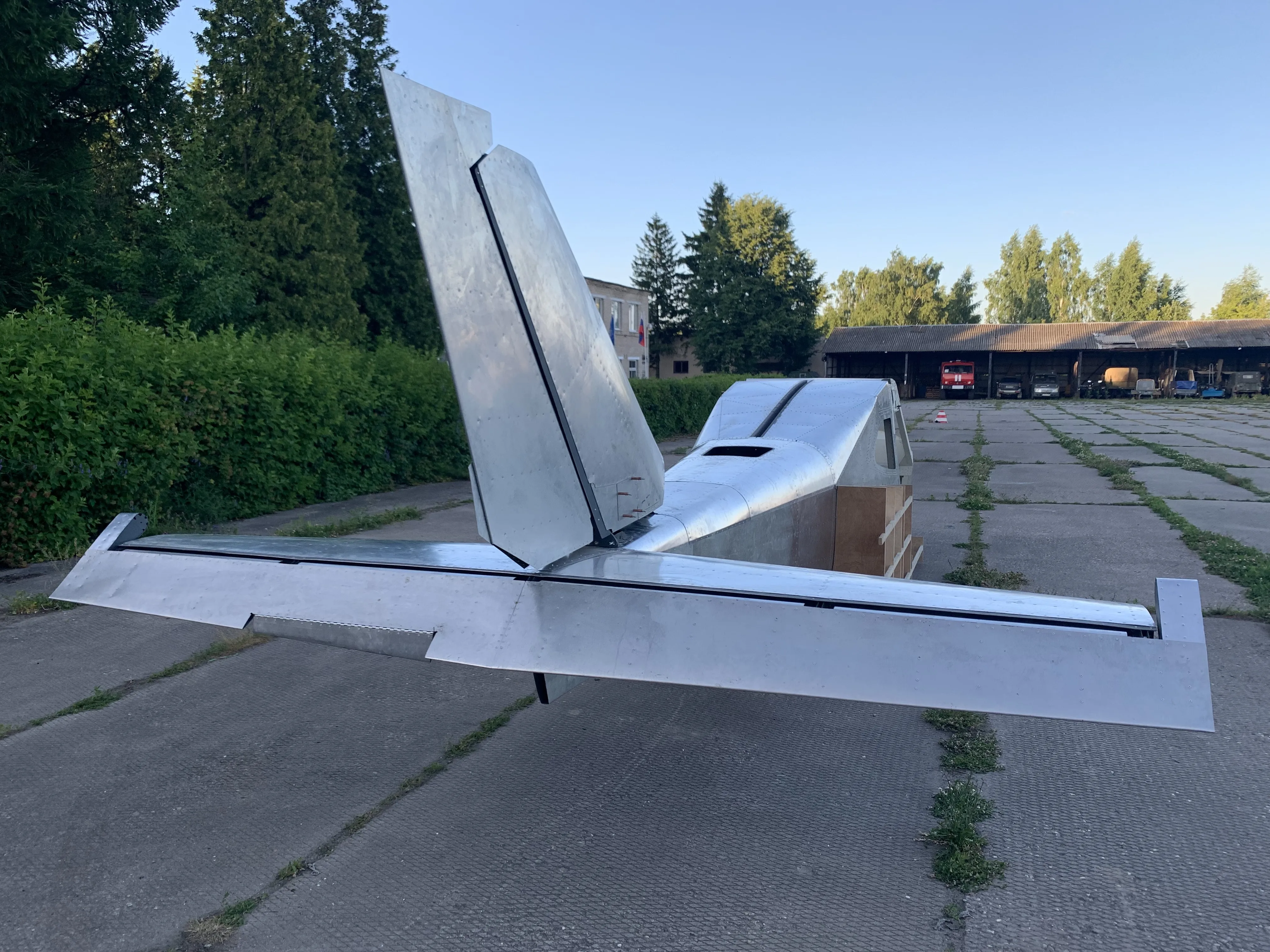
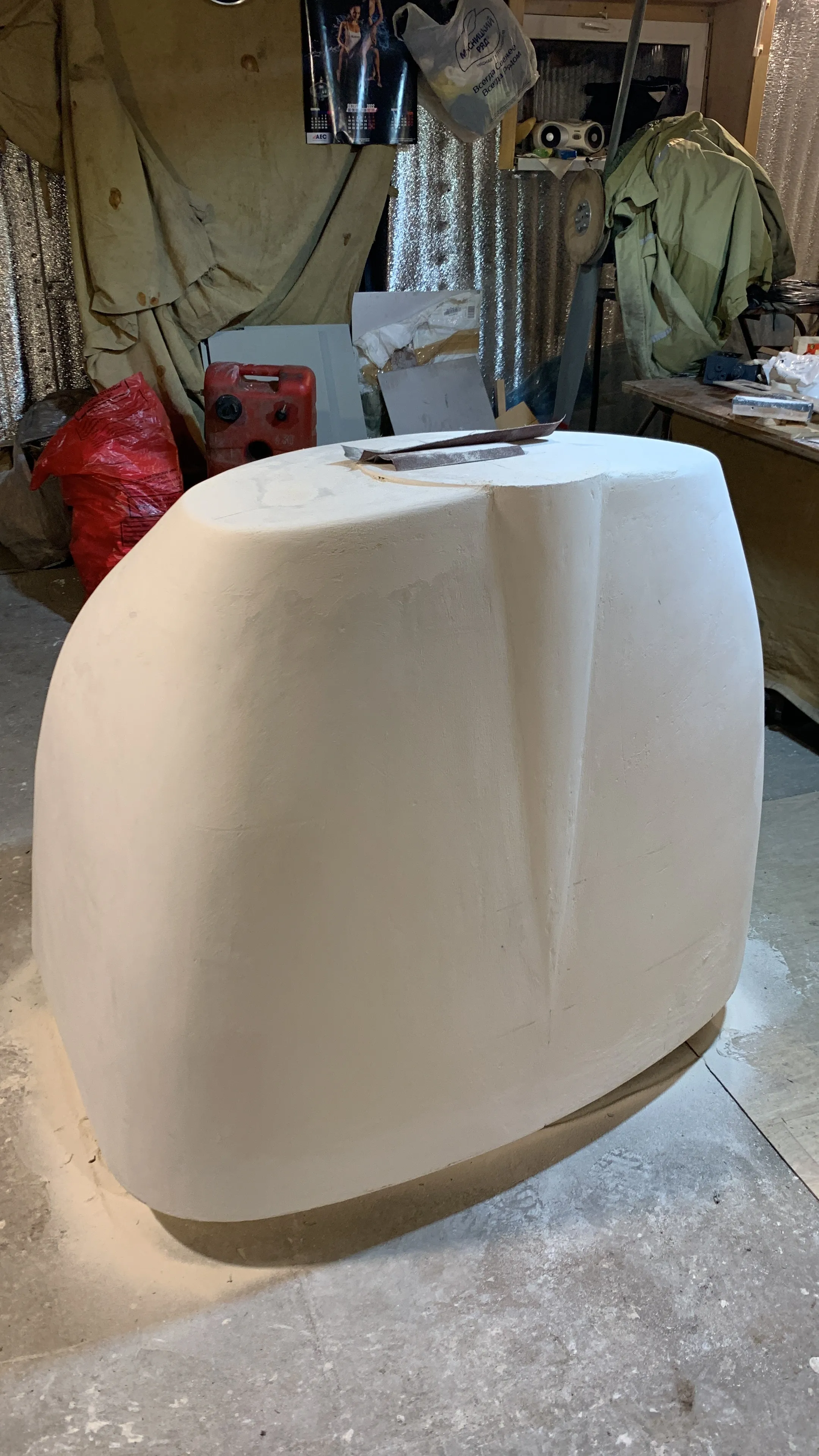
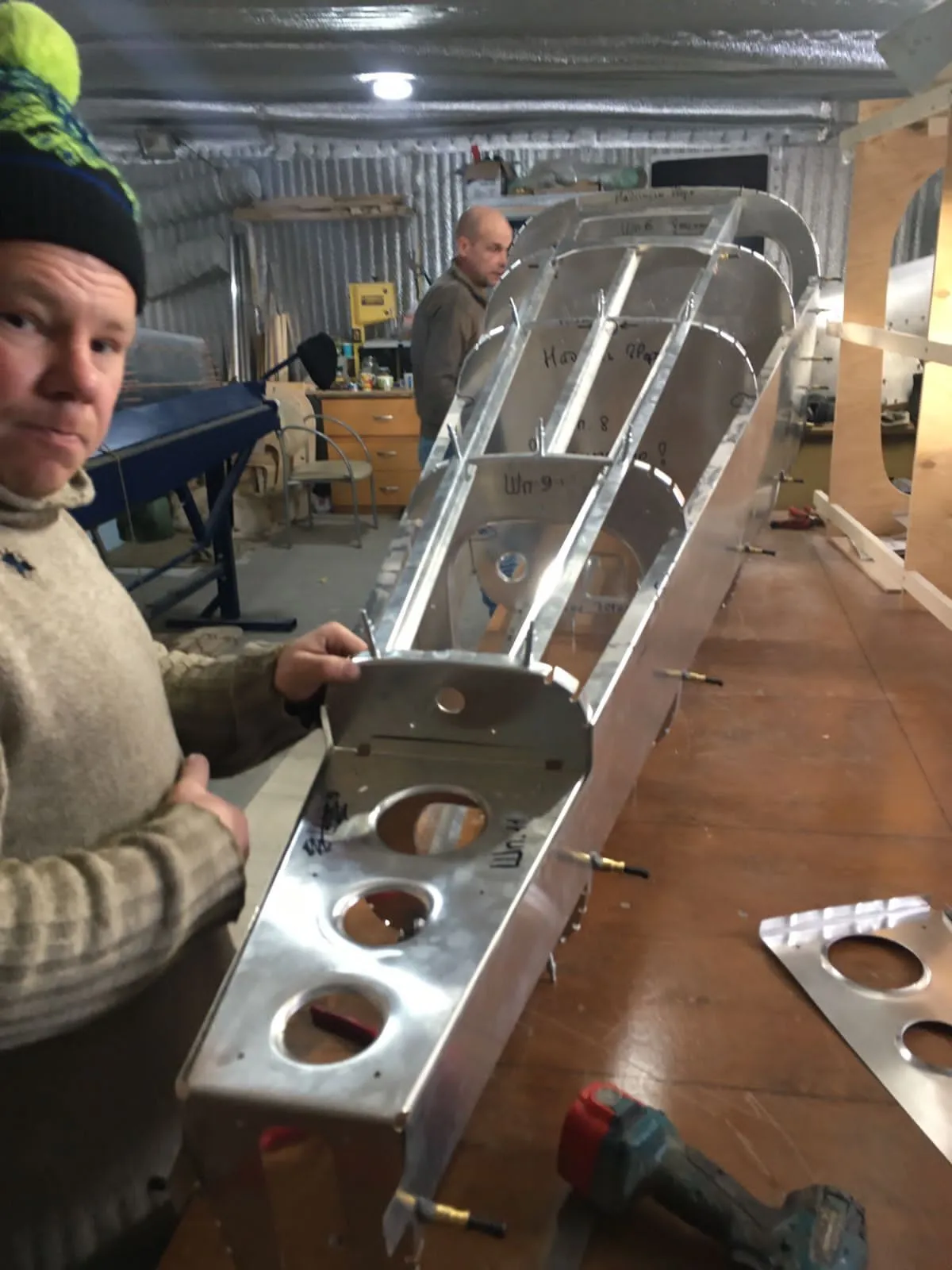
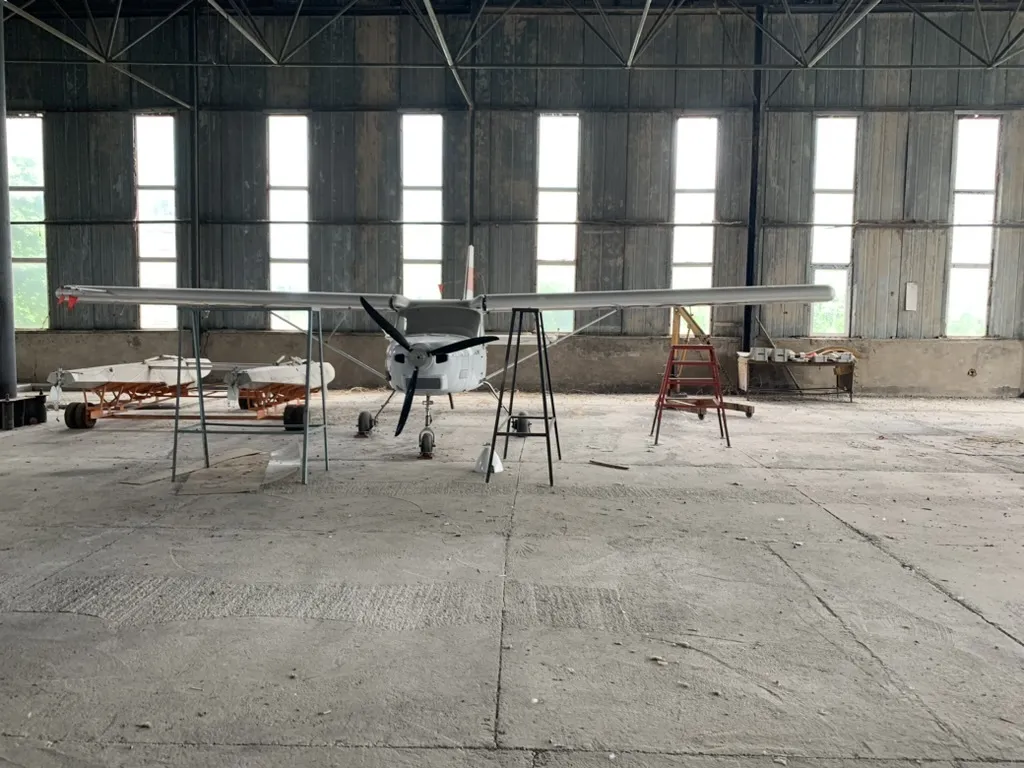
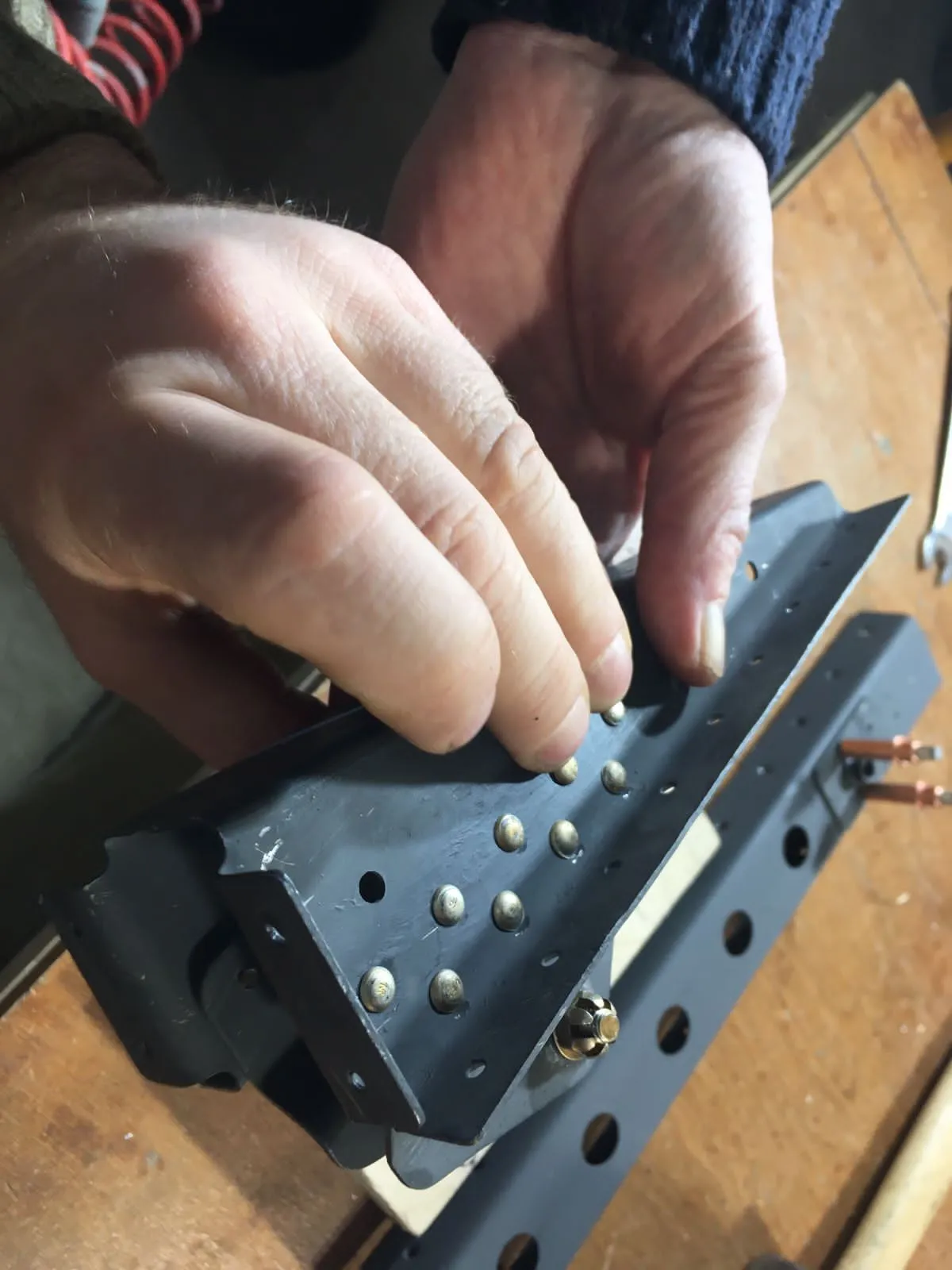
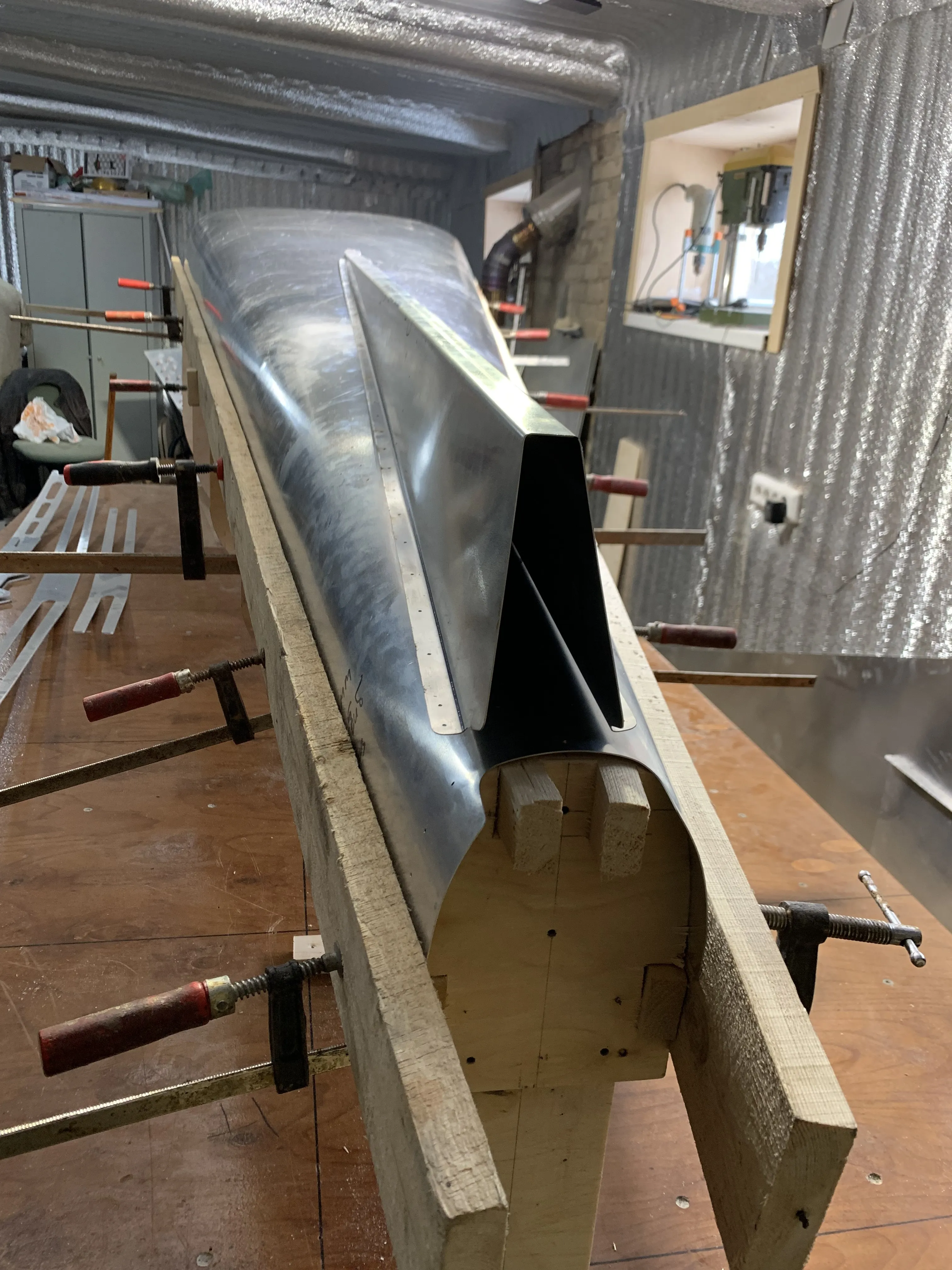
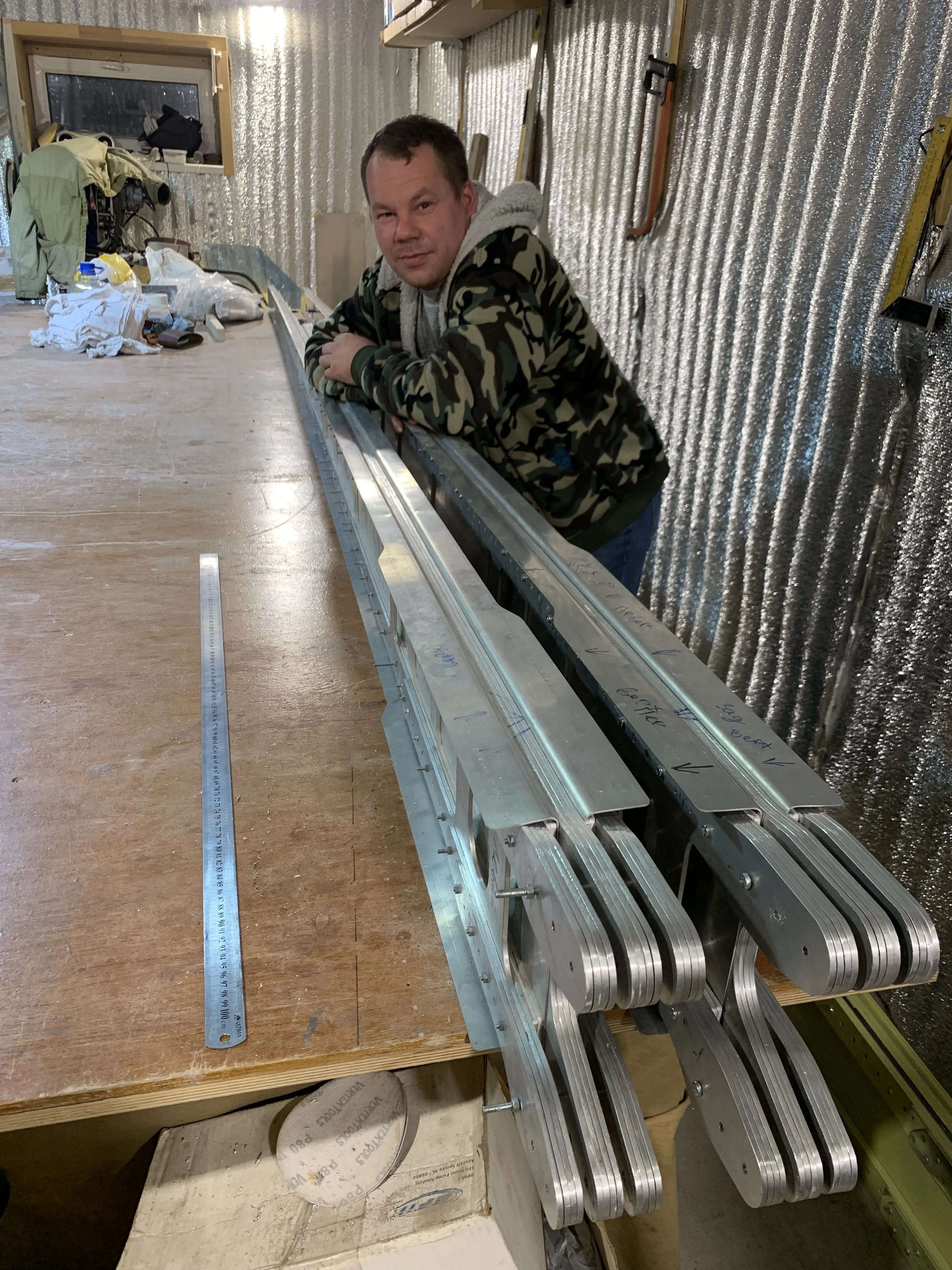
Today, the Sinbad project has found itself at a rare and favorable moment for launching a new production cycle. Modern materials, affordable energy and machine tools, advanced and inexpensive software for calculations and 3D modeling, powerful mathematical models, and artificial intelligence tools — all of this has converged at the same time. The absence of an established in-house infrastructure at the start became not a drawback but an advantage: there is no legacy of outdated equipment and no constraints preventing the adoption of new technologies. Modern manufacturing processes make it possible to create more efficient machines with lower costs — and finally to give proper attention to the beauty and comfort of the finished product.
The Sinbad project could not truly be considered modern if it developed according to a traditional scheme that rigidly separates creators and users. Today this model works worse and worse. We are convinced that a more sustainable path is that of joint creation. This is exactly how the Sinbad project came into being.
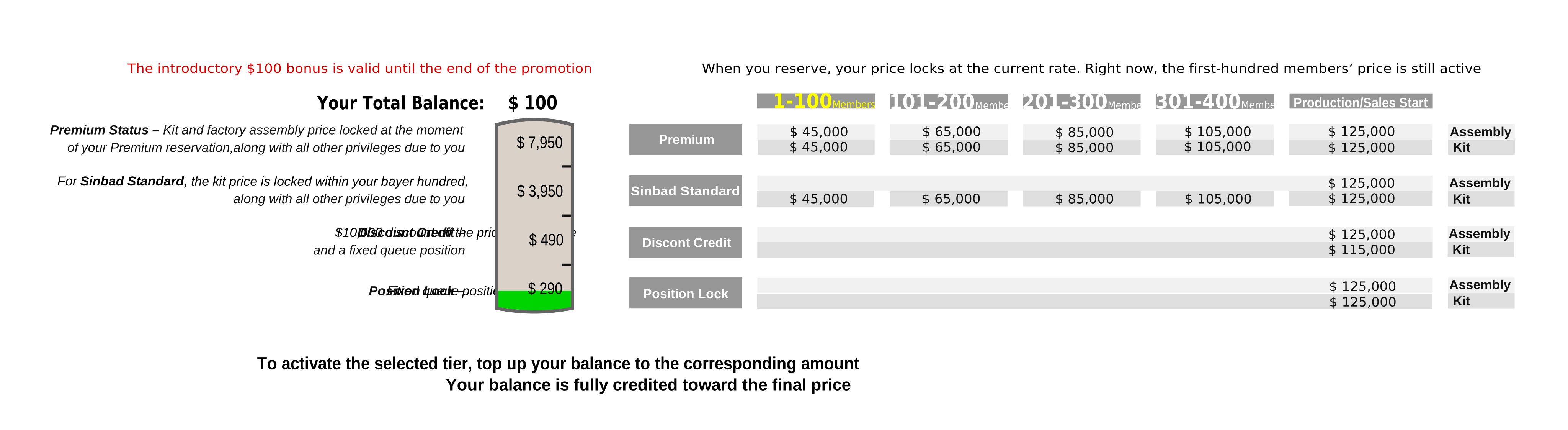
The internet portal: www.gradaeronaut.com gives any interested person the opportunity to become a participant in shaping the future aircraft.
This is especially important now — at a stage when changes to the final design are still possible. Here one can share ideas, discuss solutions, receive feedback, and take part in the development of the project. Valuable proposals capable of improving the aircraft do not go unnoticed and will be recognized separately. Project participants stay in contact with each other, receive news firsthand, ask questions, and get answers. Early participation makes the path to owning your own aircraft more meaningful, engaging, and full of opportunities.
The role of a project participant does not end with the purchase of an aircraft. Ahead lie years of operation and the accumulation of experience. At any moment, help and support are available: during assembly, certification, maintenance, repair, selection of spare parts and consumables, organization of storage, or simply in the form of good advice. No one will be left one-on-one with their aircraft.
Construction of the prototype is being organized in Georgia — at the main location of the project team. After the completion of testing and the international presentation scheduled for early 2027, the main production will be deployed in Florida.